Emergency first. A sudden severe headache, the worst of your life, or head symptoms that are getting worse: that is an emergency room right now, not a call to a clinic. This wire will still be here after.
Migraine Relief WireThe night edition

Written quietly, for people reading
with the brightness turned down

Read this in a dark room

Some headaches have a start date. Yours might be the day of the crash.

This wire is written for one reader: the person whose headaches began, or changed, after a car crash or a neck injury. The pages stay dim and the sentences stay short. And every page points at one practical step, because a headache with a start date deserves an exam, not a dark room and hope.

Eleven short readings. No drug talk, no forms, no pop-ups. One clinic named, disclosed below.

A dim bedroom at dusk, curtains mostly drawn, a low lamp beside the bed and a thin band of grey city light through the window
Plate 01The office most of our readers are in when they find us. Curtains drawn, one lamp, the city kept at a distance.

What we are, and are not

Not a migraine drug site. A desk about one connection people keep missing.

We will not pretend a webpage can tell your headache type from here. What this desk covers is narrower and, we think, more useful: headaches that arrive after a crash very often travel with a neck injury that never got examined. The neck and the head shared the impact. If the headache is new since the crash, the neck deserves a look from someone qualified to give it one.

That is the whole editorial position, held gently. We write the pattern down, we explain why the timing matters, and we tell you who in the St. Louis metro can examine you this week and write the findings down with a date on them.

Quiet line, repeated on every page: a sudden, severe headache or head symptoms that are getting worse belong in an emergency room tonight. This wire is for the grinding kind that follows a crash and will not leave.

The wire, in order

Eleven readings, each one short enough to finish with a headache.

Start anywhere. The first four explain the pattern. The next three are practical. The last four are about the clinic, the record, and the desk itself.

  1. 01
    Start here, the pattern

    The headache that came with a crash attached

    Hour by hour and week by week: how a post-crash headache usually announces itself, why people reach for the word migraine, and what the timing is trying to tell you.

  2. 02
    The timing

    Why the headache waited until Tuesday

    The one-to-three-day lag between a wreck and the worst of it is ordinary soft-tissue biology, not imagination. What is happening under the skin while you feel fine.

  3. 03
    The anatomy

    The neck and the head shared the impact

    How an injured upper neck can refer pain into the skull, why it is so often examined last, and what an examiner is actually checking when they turn your head.

  4. 04
    The head itself

    Dazed, not knocked out

    You did not lose consciousness, so you assumed it was nothing. A concussion does not require a blackout, and the headache that follows one is worth naming when you call.

  5. 05
    Getting through the week

    Light, screens, and the bad-head week

    A practical reading for the days between the crash and the exam: the brightness slider, the commute, the phone, and what to say about light when you arrive.

  6. 06
    Bring this with you

    A headache log an examiner can use

    Four columns on a paper notebook beat a month of remembering. What to write down, what not to bother with, and why dates matter more than adjectives.

  7. 07
    The phone call

    One phone call, made from a quiet room

    What the first visit at Missouri Injury Clinic actually is, what to bring, the three things to say when you call, and the line that sends you to the ER instead.

  8. 08
    The paper trail

    A headache is invisible. Its record does not have to be.

    What a dated injury exam is and is not, why it is a care document first, and why the first exam is the one everyone asks for later.

  9. 09
    Where

    Three quiet offices

    Hazelwood, Tesson Ferry, and O'Fallon, with addresses, hours, the daily 12 to 2 closure, and the phone numbers written out.

  10. 10
    Quick answers

    Questions typed in the dark

    Twelve questions in this desk's voice, from "is two days later a coincidence" to "how do I manage a visit when screens hurt."

  11. 11
    The desk

    About this wire, and how it pays for itself

    Who writes here, what we cover and refuse to cover, the advertising relationship stated plainly, and how a correction reaches us.

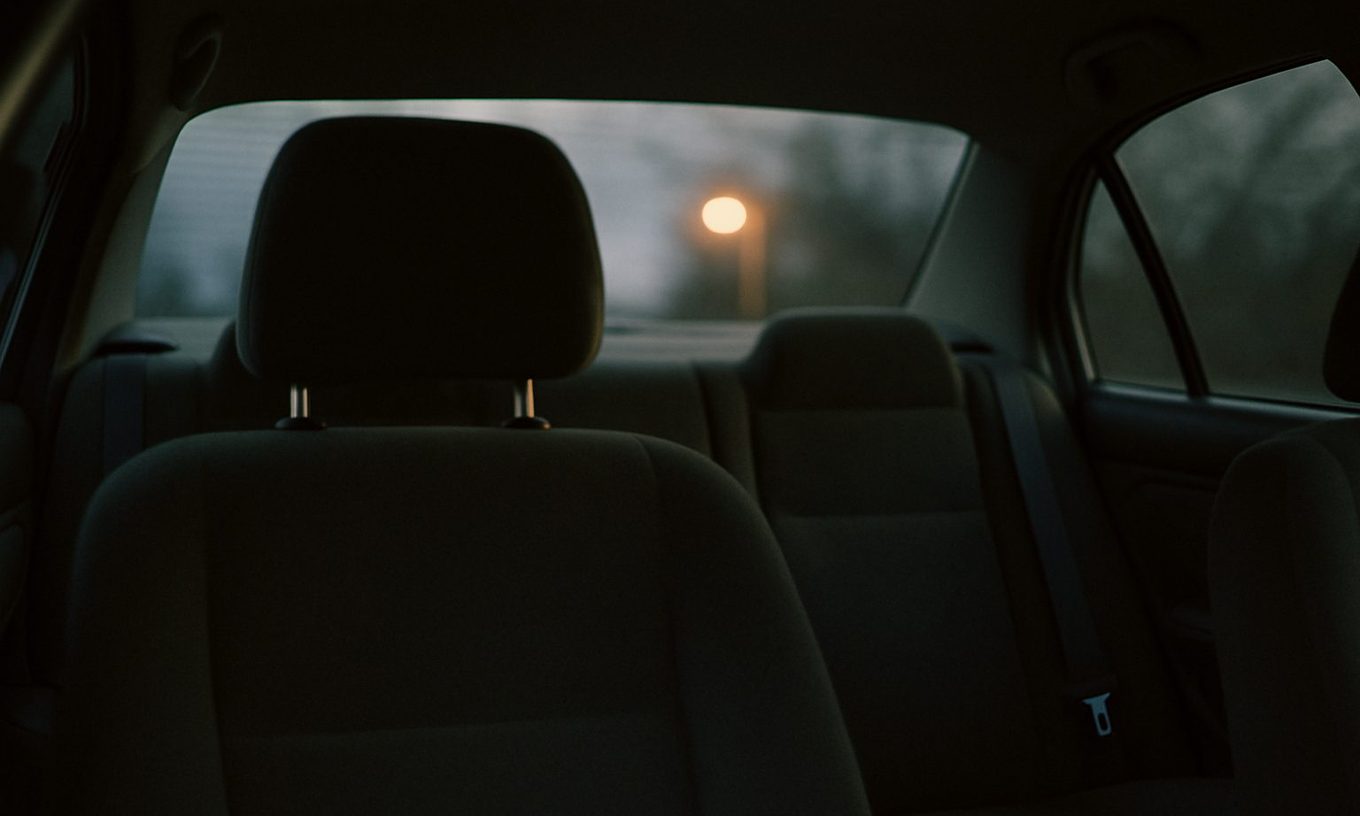
The inside of a parked sedan at dusk seen from the back seat, the driver's headrest in shadow and a single orange streetlight glowing through the rear window
The headrest did its job in the crash. The question is what the neck did in the half second before it.

The practical step

A headache with a start date deserves an exam with a date on it.

Missouri Injury Clinic, run by Joseph L. Hollingsworth, DC, takes auto-injury patients at three offices in the St. Louis metro. Its published lanes are auto injuries, meaning diagnosis and a treatment plan after a crash, concussion rehab after the acute phase, and sports injuries. A documented exam with dated findings is what the first of those lanes produces.

Where concussion is part of the picture, the clinic names the tools it uses on its own site: neurofeedback, vagus nerve stimulation delivered as gentle microcurrent at the tragus, Alpha Stim, sensory motor integration, exercise with oxygen, oculomotor rehabilitation, and computerized cognitive rehabilitation. We list them because the clinic does. We do not promise what any of them will do for you; that is what the exam is for.

What the first visit actually is →

Featured clinic, disclosed

Missouri Injury Clinic

Joseph L. Hollingsworth, DC · Putting the CARE back in Healthcare · three offices, St. Louis metro

Pick the office you can drive to this week. North metro readers are nearest Hazelwood. Every office closes from 12 to 2 each day, so a morning or a mid-afternoon call lands better than a noon one. Say three things on the phone: car crash, the date, and that headaches have been part of it since. If your head was struck, add that fourth thing.

Nearest for this desk North County, Hazelwood 14 Village Square Shop Ctr, Hazelwood, MO 63042
(314) 627-1411 Mon to Thu 9am to 6pm. Fri 9am to 12pm. Closed daily 12 to 2. The Hazelwood office →
Also open South County, Tesson Ferry 11144 Tesson Ferry Road, Suite 200, Saint Louis, MO 63123
(314) 530-5480 Mon to Thu 9am to 6pm. Fri 9am to 12pm. Closed daily 12 to 2. The Tesson Ferry office →
Also open Lake St. Louis, O'Fallon 2163 West Terra Lane, O'Fallon, MO 63366
(636) 280-0990 Mon, Tue, Thu 9am to 6pm. Wed and Fri by appointment. Closed daily 12 to 2. The O'Fallon office →

Advertising disclosure. This page is advertising. This desk is compensated for featuring Missouri Injury Clinic and is not the clinic, not a law office, and not a party to anyone's insurance claim. We publish only the lanes, offices, and hours the clinic publishes on moinjuryclinic.com.

Three lines the clinic publishes

What patients wrote, as published.

Great service and wonderful people

Byron Coffee, as published on moinjuryclinic.com

Great service lovely staff!

Jaymee Golley, as published on moinjuryclinic.com

Missouri Injury Clinics is the best place for treatment.

Stephanie Griffin, as published on moinjuryclinic.com

These are the only reviews this desk reproduces. We do not write reviews, collect them, or rank providers.

The bright lineChest pain, a sudden severe headache, weakness or numbness on one side, trouble speaking, a loss of bowel or bladder control, or a head injury with vomiting or worsening confusion is an emergency room trip right now, not a call to a clinic. An injury clinic is built for planned care. If the clinic sends you to an emergency room instead of booking you, that is the system working.

Everything on this desk is educational reading, not medical advice. A headache that began after a crash should be examined by a licensed clinician; this page cannot do that and does not try.