Key takeaways
- Light and noise sensitivity are ordinary after both neck injury and concussion. Managing them is reasonable; treating them as the whole problem is not.
- Small changes help for an afternoon: brightness down, warm color temperature, fewer notifications, sunglasses in the car.
- Do not drive if the fog or the light is affecting your attention. Get a ride to the exam if you need one.
- Say on the phone that light hurts and ask what they can do. You do not need to perform being fine.
Everything on this desk is written for a dim room, but this page is the one we set the dimmest. If you are reading it with the brightness at its lowest notch and the phone held a little too far away, you are the reader we had in mind. Here is what we know about getting through the week, and the one sentence we want you to say at the clinic.
The brightness slider and the color of the light
Turn it down. That is obvious, and you have done it. The less obvious part is the color. Most phones and laptops can shift to a warmer, yellower tone in the evening or all day, and many of our readers find the warm setting easier than the dim one. Dark mode on the apps you use most helps for the same reason: less white surface, less glare. None of this treats anything. It buys you a calmer afternoon.
Notifications are light too. Every one lights the screen and pulls the eyes to a corner. Silence the ones you can for the week. The messages will be there when the exam is done.
The car, the commute, and the mirror
Two things about the car. First, sunglasses, even on a grey day, even in the passenger seat. Second, honesty about whether you should be driving at all. If the fog is affecting your attention, or turning your head to check a blind spot brings the headache on, get a ride to the exam. Most people have someone who will drive them once if asked plainly. This is the week to ask.
If you must drive, keep the trips short, keep the sun visor down, and notice which head movements hurt. That is information for the examiner, and it goes in the log.
Screens at work
If your job is a screen, the week is hard, and we will not pretend otherwise. A few things that readers report help: the monitor's brightness matched to the room rather than turned up against it, the text size bumped so you lean back instead of forward, breaks every half hour where you look at something far away, and a word to whoever needs to know that you were in a crash and are being examined this week. You are not asking for much. You are asking for a dim corner and a few days.
Sleep, water, and the things that help for an afternoon
Rest, water, regular meals, and gentle movement are the general advice after any injury, and we repeat them only because they are true and cheap. What we will not do is dress them up as a plan. They help for an afternoon. The thing producing the headache has still not been looked at, and looking at it is the week's one real task.
The sentence to say when you arrive
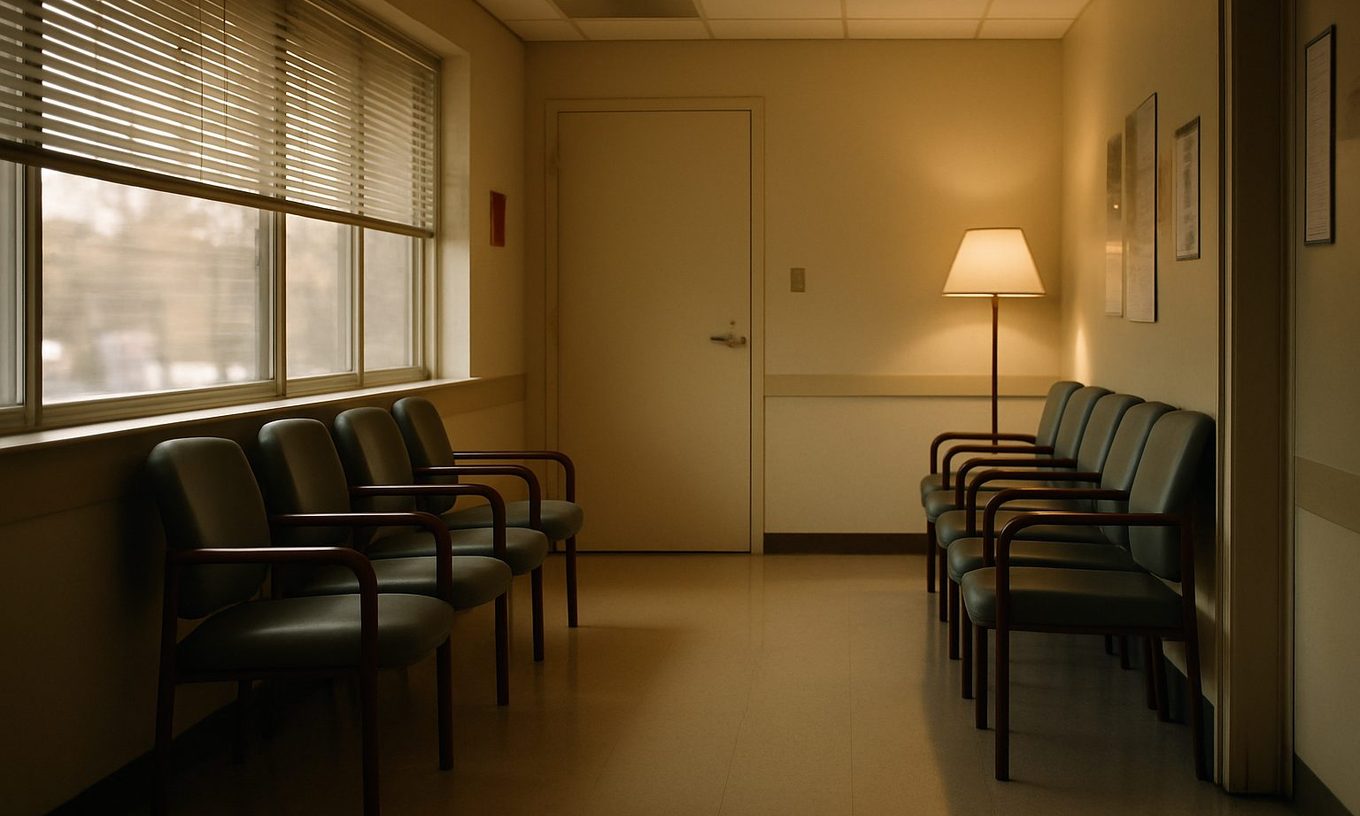
Say it on the phone and say it again at the desk: light hurts, what can you do. Bring the sunglasses in. We do not know what any given office can arrange, which is why the sentence is a question; what we do know is that honest symptoms make better findings. You will not be asked to perform wellness. You will be examined, and the examiner would rather see you squint than see you pretend.
Educational reading, not medical advice. This desk cannot examine anyone; it exists to get you in front of someone who can.